
Introduction
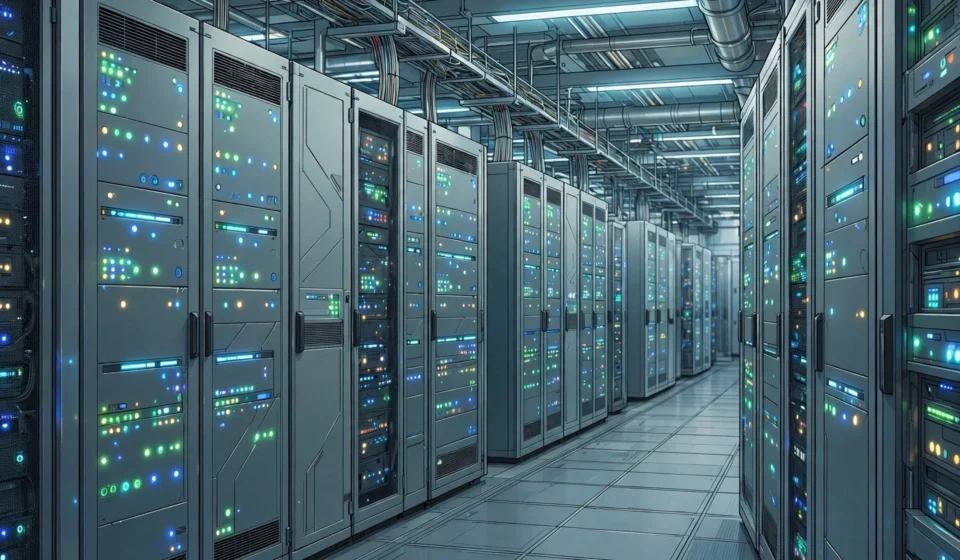
In today’s digital world, businesses rely on powerful technology systems to process transactions, store data, and maintain uninterrupted operations. At the heart of many large organizations lies ns mainframe, a technology that has supported critical industries for decades. Despite the rise of cloud computing and distributed systems, ns mainframe continues to play a central role in banking, insurance, healthcare, government, and retail.
Many people associate mainframes with outdated technology, but that perception is far from reality. Modern mainframes are highly advanced, secure, and capable of processing millions of transactions per second. They provide the reliability and performance that organizations need for mission-critical workloads.
This article explores what ns mainframe is, how it works, why it remains important, and what the future holds for this powerful computing platform.
What Is ns mainframe?
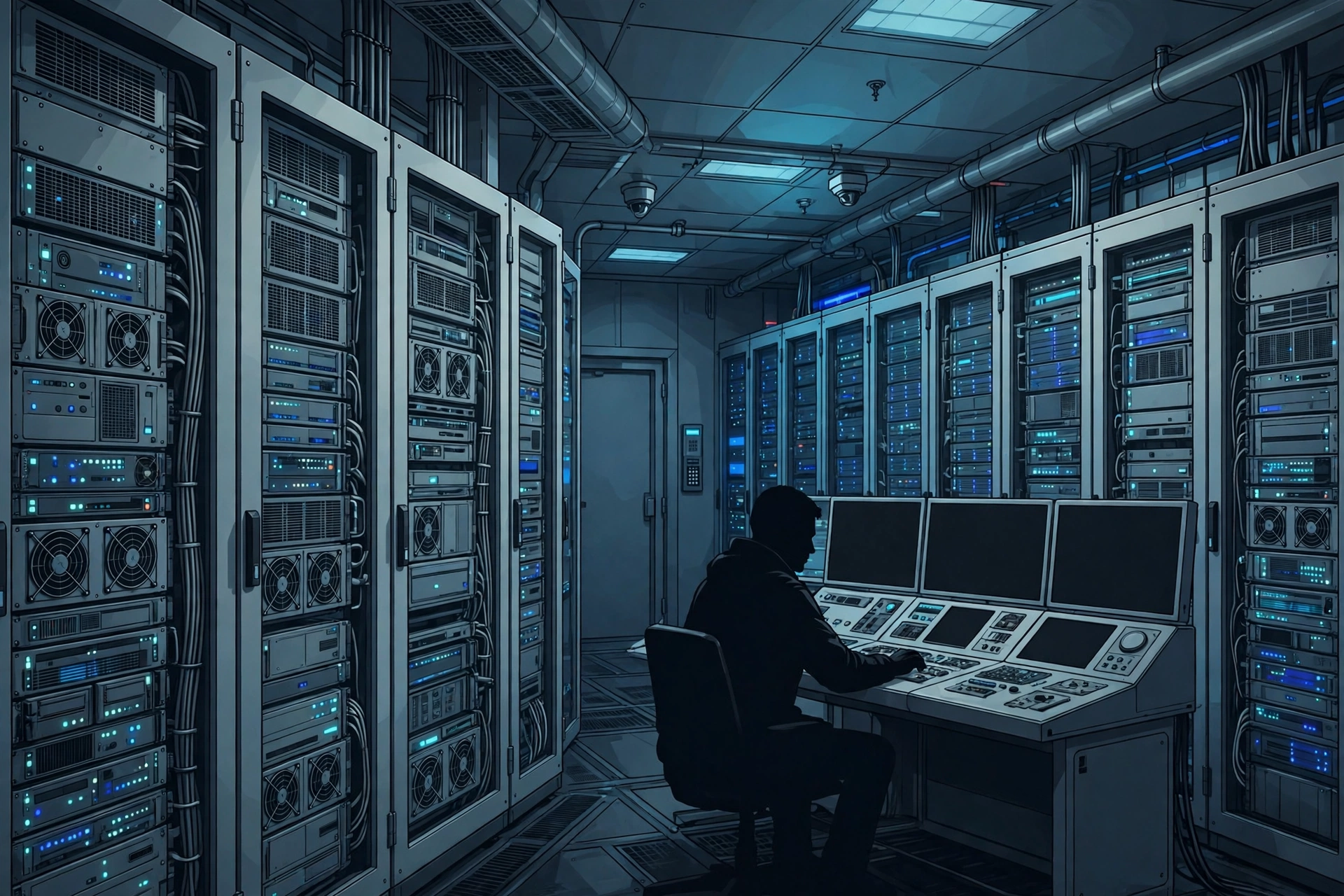
ns mainframe refers to a high-performance computing system designed to handle large volumes of data processing with exceptional reliability and security. Unlike personal computers or standard servers, a mainframe is built to support thousands of users simultaneously while maintaining consistent performance.
The term is often used in enterprise IT environments where organizations require uninterrupted service, strong data protection, and the ability to scale operations efficiently. ns mainframe systems are commonly found in data centers, where they operate around the clock to support essential business functions.
A mainframe is not simply a larger computer. It is a complete ecosystem that includes specialized hardware, operating systems, databases, middleware, and security tools designed to work together seamlessly.
The History and Evolution of ns mainframe
Mainframe technology originated in the 1950s and 1960s, when large organizations needed a way to process massive amounts of information. Early systems were enormous, expensive, and operated by specialized teams. Over time, however, mainframes became smaller, faster, and more efficient.
The evolution of ns mainframe can be divided into several important phases:
- Early Mainframes: Large, room-sized systems used for payroll, accounting, and government records.
- Client-Server Era: Mainframes continued to support core processing while personal computers handled user-facing tasks.
- Internet Era: Mainframes adapted to support web applications, e-commerce, and online banking.
- Modern Era: Today’s mainframes integrate with cloud platforms, artificial intelligence, and advanced analytics.
This ability to evolve has allowed ns mainframe technology to remain relevant for more than half a century.
How ns mainframe Works
A mainframe system processes work through a combination of powerful processors, high-speed memory, and specialized input/output systems. It is designed to handle multiple tasks at the same time without slowing down.
Key components of ns mainframe architecture include:
Central Processors
Mainframes use multiple powerful processors that work together to execute transactions, run applications, and manage data. These processors are optimized for high-throughput computing rather than single-task speed.
Operating Systems
Specialized operating systems manage resources, schedule tasks, and ensure security. These systems are known for their stability and ability to run for years without interruption.
Databases
Mainframe databases store and organize vast amounts of structured information. They support fast retrieval, transaction integrity, and data consistency, which are essential for financial and healthcare systems.
Middleware and Applications
Middleware connects mainframe applications with other systems, including web servers, mobile apps, and cloud services. This allows organizations to modernize their user interfaces while keeping core processing on the mainframe.
Security Systems
Security is built into every layer of ns mainframe architecture. Features include encryption, access controls, audit logging, and threat detection, making mainframes one of the most secure computing platforms available.
Why Businesses Still Rely on ns mainframe
Despite the popularity of cloud computing, many organizations continue to depend on ns mainframe for their most important operations. There are several reasons for this continued reliance.
Unmatched Reliability
Mainframes are known for their exceptional uptime. Many systems achieve 99.999% availability, meaning they experience only a few minutes of downtime per year. This level of reliability is critical for banks processing payments, airlines managing reservations, and hospitals accessing patient records.
Superior Security
Security breaches can have devastating consequences for large organizations. ns mainframe systems offer advanced encryption, strict access controls, and real-time monitoring. Their closed and tightly managed architecture makes them more difficult to attack than many distributed systems.
Massive Transaction Processing
A single mainframe can process millions of transactions per day. This capability is essential for credit card networks, stock exchanges, and large retail chains during peak shopping periods.
Cost Efficiency at Scale
While mainframes require a significant initial investment, they can be more cost-effective than distributed systems when processing very large workloads. Consolidating operations onto a mainframe reduces complexity, energy consumption, and management overhead.
Scalability
As businesses grow, ns mainframe systems can scale to handle increased demand without major redesigns. Organizations can add processing capacity, storage, and users while maintaining performance.
Industries That Depend on ns mainframe
Banking and Finance
The banking industry is one of the largest users of ns mainframe technology. Banks use mainframes to process account transactions, ATM withdrawals, credit card payments, loan applications, and fraud detection. The speed and accuracy of mainframe processing ensure that financial transactions are completed securely and reliably.
Insurance
Insurance companies rely on mainframes to manage policies, process claims, calculate premiums, and store customer records. These systems must handle large volumes of data while complying with strict regulatory requirements.
Healthcare
Healthcare organizations use ns mainframe systems to manage patient records, billing, scheduling, and insurance claims. Reliability and data security are especially important in this industry, where system failures can affect patient care.
Government
Government agencies use mainframes for tax processing, social security records, voter registration, and public services. These systems must operate securely and handle millions of citizen records.
Retail and Transportation
Large retailers use mainframes for inventory management, point-of-sale transactions, and supply chain operations. Airlines and transportation companies rely on them for reservations, ticketing, and logistics.
ns mainframe and Cloud Computing
One of the most important developments in enterprise IT is the integration of ns mainframe with cloud computing. Rather than replacing mainframes, cloud technology often works alongside them in a hybrid environment.
In a hybrid model:
- Core transaction processing remains on the mainframe for reliability and security.
- Customer-facing applications run in the cloud for flexibility and scalability.
- APIs connect cloud applications to mainframe data in real time.
- Analytics tools process mainframe data to support business intelligence.
This approach allows organizations to modernize gradually without disrupting critical operations. It also enables developers to build mobile apps and web services that access mainframe data securely.
Modernization Strategies for ns mainframe
Organizations with legacy mainframe systems have several options for modernization:
Application Rehosting
This involves moving mainframe applications to a new environment with minimal changes. It can reduce costs while preserving existing functionality.
Application Refactoring
Refactoring improves application code and structure without changing its core behavior. This makes systems easier to maintain and integrate with modern tools.
API Enablement
By exposing mainframe functions through APIs, organizations can connect legacy systems to modern applications, mobile platforms, and cloud services.
DevOps for Mainframes
Modern development practices, including continuous integration and automated testing, are now being applied to mainframe environments. This helps teams deliver updates faster and more reliably.
AI and Analytics Integration
Mainframe data contains valuable insights. By integrating artificial intelligence and analytics tools, organizations can detect fraud, predict customer behavior, and improve decision-making.
Skills and Careers in ns mainframe
As experienced mainframe professionals retire, there is growing demand for new talent in this field. Careers related to ns mainframe include:
- Mainframe Systems Programmer
- Application Developer
- Database Administrator
- Security Specialist
- Systems Administrator
- Performance Analyst
These roles often offer competitive salaries and long-term job stability because mainframe skills remain in high demand. Many organizations and educational programs now offer training to help new professionals enter the field.
Challenges Facing ns mainframe
Despite its strengths, ns mainframe technology faces several challenges:
Perception of Being Outdated
Some organizations mistakenly believe mainframes are obsolete. This perception can lead to unnecessary migration projects that increase costs and risks.
Skill Shortages
The mainframe workforce is aging, and fewer young professionals have experience with these systems. Addressing this gap requires investment in education and training.
Integration Complexity
Connecting legacy mainframe applications to modern cloud and mobile systems can be complex. Organizations need careful planning and skilled teams to manage integration successfully.
Cost Concerns
Mainframe hardware and software licensing can be expensive, particularly for smaller organizations. However, total cost of ownership is often lower than expected when reliability and performance are considered.
The Future of ns mainframe
The future of ns mainframe looks promising. Rather than disappearing, mainframes are evolving to support new technologies such as:
Artificial Intelligence and Machine Learning
Modern mainframes include processors optimized for AI workloads, allowing organizations to run machine learning models directly on transaction data.
Quantum-Safe Security
As cybersecurity threats evolve, mainframes are adopting advanced encryption methods designed to resist future quantum computing attacks.
Containerization and Open Source
Mainframes now support containers, Linux, and open-source tools, making them more accessible to modern developers.
Sustainability
Mainframes are energy-efficient when processing large workloads. Consolidating operations onto a single platform can reduce power consumption and carbon emissions compared to running hundreds of smaller servers.
These innovations ensure that ns mainframe will continue to support enterprise computing for years to come.
Best Practices for Managing ns mainframe Systems
Organizations that rely on mainframes should follow best practices to maximize value and performance:
- Regularly Monitor Performance: Track system usage, response times, and resource consumption to identify potential issues early.
- Invest in Security: Apply patches, enforce access controls, and conduct regular security audits.
- Train Staff: Provide ongoing training to ensure teams understand both legacy systems and modern tools.
- Plan for Modernization: Develop a long-term strategy that balances stability with innovation.
- Document Systems: Maintain clear documentation for applications, processes, and dependencies.
- Test Disaster Recovery: Regularly test backup and recovery procedures to ensure business continuity.
Following these practices helps organizations maintain reliable, secure, and efficient mainframe environments.
Frequently Asked Questions (FAQs)
1. What is ns mainframe used for?
ns mainframe is used for high-volume transaction processing, data storage, and mission-critical applications in industries such as banking, insurance, healthcare, and government.
2. Is ns mainframe still relevant today?
Yes. Modern mainframes are highly advanced and continue to support many of the world’s largest organizations. They integrate with cloud computing, AI, and modern applications.
3. How is ns mainframe different from a regular server?
A mainframe is designed for extreme reliability, security, and transaction throughput. It can support thousands of users simultaneously with minimal downtime, unlike standard servers.
4. Can ns mainframe work with cloud technology?
Yes. Many organizations use a hybrid approach, keeping core processing on the mainframe while using cloud platforms for web, mobile, and analytics applications.
5. What careers are available in ns mainframe?
Careers include mainframe developer, systems programmer, database administrator, security specialist, and performance analyst. Demand for these skills remains strong.
6. Is ns mainframe secure?
Yes. Mainframes offer built-in encryption, access controls, audit logging, and real-time threat monitoring, making them one of the most secure computing platforms.
7. Will ns mainframe be replaced by cloud computing?
Cloud computing complements rather than replaces mainframes for many organizations. Mainframes remain the best choice for high-volume, mission-critical workloads.
Conclusion
In conclusion, ns mainframe remains a cornerstone of enterprise computing. Its unmatched reliability, security, and transaction processing capabilities make it indispensable for industries that cannot afford downtime or data errors.
While technology continues to evolve, ns mainframe has proven its ability to adapt. By integrating with cloud platforms, artificial intelligence, and modern development tools, it continues to support digital transformation across the globe.
For organizations seeking stability, performance, and long-term value, ns mainframe is not a technology of the past—it is a foundation for the future.